Browse bag filters
Browse bag filters
Blog Article
Boost Performance: Finding the Best Dust Collector Components for Your Needs
Picking the correct dust collector filters is important for improving system performance. Several influences determine this selection, including dust type, airflow needs, and filter quality. Recognizing the differences between bag and cartridge filters can substantially impact operational results. Periodic care also plays an important role in longevity and operation. As organizations pursue superior air quality and cost savings, the intricacies of filter selection become increasingly vital. What criteria should one examine next?
How to Select the Correct Dust Collector Filter
Selecting the right dust collector filter can frequently seem daunting. With a variety of choices accessible, understanding the particular needs of the workspace is necessary. Aspects like the type of dust generated, the air flow needing filtration, and the intended efficiency levels play vital roles in the decision-making process.
Furthermore, the filter's compatibility with the existing dust collection system is important to achieve peak performance. Consideration should be given to the filter's durability and maintenance requirements, as these can impact operational costs.
Performance ratings and certifications can help users in choosing filters that satisfy industry standards.
Ultimately, comprehending the particular needs and environmental context will contribute to a more informed choice, strengthening the efficacy of the dust collection system and establishing a more hygienic and secure workspace.
Bag Strainer Basics
Bag filters represent a vital element in dust removal equipment, successfully removing suspended dust and maintaining air quality in multiple industrial environments.
These filters are typically constructed of woven or non-woven fabrics that can trap dust, fibers, and other particulates. Common varieties include needle-punched felt and fabric weave sacks, each providing unique filtering effectiveness and operational properties.
Bag filters are routinely used in operations extending from woodworking to metalworking, where effective dust regulation is critical. They can also be modified in assorted dimensions and forms to be placed in specific systems.
Regular maintenance and replacement intervals are important to guarantee optimal operation, as clogged filters can hinder airflow and decrease system efficiency.
Appropriate selection of bag filters acts as key to enhancing dust collection effectiveness.
A Overview to Filter Filters
Cartridge filters represent another viable option in dust collection systems, complementing the role of bag filters.
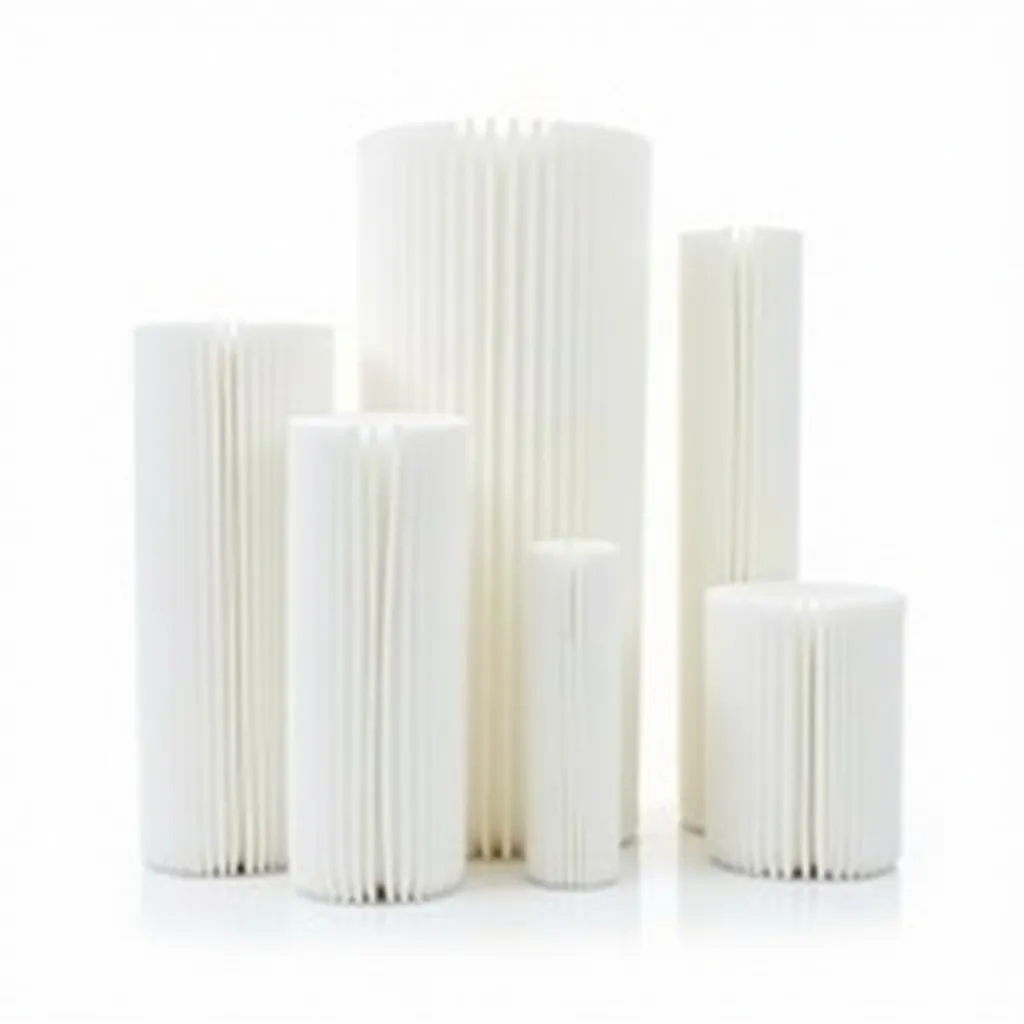
The filters are designed with a cylindrical shape, increasing surface area and improving dust capture efficiency. Typically constructed from pleated materials, cartridge filters are able to trap fine particles, ranging from 0.5 to 5 microns, rendering them suitable for various industrial applications.
Their compact design allows easy installation and maintenance, often generating more economical operations. Additionally, cartridge filters can be cleaned using pulse jet technology, increasing their durability and decreasing waste output.
Selecting cartridge filters requires considering the type of dust being collected, airflow requirements, and specific industry regulations to guarantee peak performance and compliance.
Critical Guidelines for Determining Dust Collector Filters
Several essential factors must be evaluated when choosing dust collector filters to guarantee optimal operation and efficiency.
Initially, the filter material serves a key function; alternatives include polyester, polypropylene, and cellulose, each fitting specific dust categories and applications.
Second, the filter's effectiveness rating, often evaluated by MERV (Minimum Efficiency Reporting Value), should satisfy the distinct demands of the workspace.
In addition, the filter's airflow resistance should be inspected, as significant resistance may cause elevated energy expenses and diminished airflow.
The filter's dimensions and adaptability with existing equipment are also important, guaranteeing correct setup and best performance.
Ultimately, maintenance obligations, including cleaning and replacement frequency, should be reviewed to minimize downtime.
How Does Filter Performance Determine Air Quality?
How can filtration effectiveness influence air quality? The success rate of dust collector filters directly correlates with the particulate matter removed from the air. High-efficiency filters detain smaller particles, including allergens, dust, and harmful pollutants, thereby considerably improving indoor air quality.
When filters work at maximum effectiveness, they decrease the circulation of contaminants, lowering respiratory issues and other health risks connected to poor air quality.
In industrial settings, the decision regarding filters can guarantee compliance with worker safety requirements, determining overall occupational health. In contrast, inefficient filtration options may enable harmful particles to leak into the environment, worsening pollution.
As a result, selecting the right filter not only enhances air quality but also promotes a healthier atmosphere for employees and the surrounding community. Ultimately, investing in top-tier filters is crucial for maintaining a clean and safe environment, highlighting the importance of filter selection in dust collection systems.
How Filter Maintenance Affects Dust Collector Filters' Longevity
Effective filter care is essential to preserving the functional life of dust collector filters. Systematic cleaning and review are fundamental techniques that guarantee outstanding performance and extend the life of filters.
Skipping maintenance can result in excessive dust buildup, which heightens resistance and reduces airflow. This strain can cause filters to wear out more rapidly, calling for early replacement.
Moreover, the kind of upkeep conducted—whether it involves hand washing or automatic equipment—can also influence durability.
As an illustration, poor cleaning procedures might harm filter media, reducing their effectiveness.
Cost Savings of Dust Collector Filters
Cost-effectiveness is a crucial act now consideration in choosing dust collector filters, as it significantly affects operational efficiency and budget management. Businesses must evaluate both the initial costs and the long-term performance of filters to determine their overall value.
Higher-quality filters may have a steeper upfront price but can offer better filtering performance and extended durability, lowering how often you need replacements and what you spend on upkeep.
Moreover, energy consumption should be included in the cost equation; filters that facilitate smoother airflow can lower the energy requirements of dust collection systems.
Studying the total cost of ownership, which includes initial investment, repairs, and operational expenses, provides a comprehensive assessment of financial performance.
Identifying the optimal filters not only meets regulatory compliance but also elevates productivity by minimizing downtime and creating cleaner work environments, further justifying the investment.
As a result, organizations should carefully consider their possibilities to coordinate filter choice with financial objectives and operational demands.
Filter Options Guidance
Picking the correct filter media is critical for maximizing a dust collection system's performance. Initially, one must evaluate the specific types of dust produced in the workspace, as different materials need different filtering capabilities.
It is vital to consider the filter's micron rating; finer particles necessitate filters with higher ratings. Additionally, evaluating airflow requirements helps in selecting filters that sustain peak system performance without excessive pressure drop.
Compatibility with the dust extractor model is a essential factor, making sure of a proper fit and function. Lastly, one must take into consideration the filter's lifespan and ease in replacement to reduce downtime.
Routine Maintenance Practices
Maintaining a dust gathering apparatus is crucial for ensuring peak performance and longevity. Regular inspection of filters is vital; washing or swapping out them as required avoids blockage of airflow and preserves efficiency.
Moreover, reviewing seals and ductwork for leaks can considerably improve system output. It is sensible to set up routine maintenance inspections, ideally monthly, to address any likely problems before they escalate.
Operators should also watch the pressure gauge to measure filter condition exactly. Proper care of the collection unit itself, including the motor and fan components, enhances the system's useful life.
Implementing these upkeep procedures not only optimizes dust collection performance but also contributes to a safer and healthier working workplace. Regular maintenance guarantees that the system functions at its peak, lowering long-term operational costs.
Popular Questions Posed
How Often Should I Change My Dust Collector Filter Elements?
Dust collector filter replacements should normally occur every six months to a year, contingent upon environmental factors and usage. Scheduled inspections and maintenance can aid in establishing the ideal replacement schedule for maintaining performance and efficiency.
Can I clean and recycle Disposable Filters?
Disposable filters are not meant for cleaning and reuse. Attempting to clean them can reduce their effectiveness, leading to decreased performance. It is advisable to change disposable filters regularly to ensure peak dust collection efficiency.
What Substances Are Best for Dust Collector Filters?
Synthetic fibers, pleated paper, and activated carbon are considered among the leading options for dust collector filters. These choices provide excellent filtration efficiency, durability, and the capacity to remove fine particles, enhancing overall air quality in various environments.
Do eco-friendly filtration options available?
Absolutely, green filter options are offered, including filters made from recycled materials, compostable fibers, and plant-based materials. These alternatives can efficiently decrease environmental impact while sustaining filtration effectiveness in dust collection systems.
What Strategies Can Better Filtration Output in High-Dust Areas?
To improve filter effectiveness in high-dust environments, routine maintenance, selecting suitable filter materials, maximizing airflow, and installing pre-filters can significantly increase efficiency and prolong the life span of dust gathering systems.
Report this page